Egg In Lab: la costruzione silenziosa dell’equilibrio firmata Stefano Ravagnani
Ordine, proporzioni, attenzione al dettaglio. Non semplici coordinate progettuali ma una forma di pensiero che si è stratificata nel tempo, diventando linguaggio. Negli anni cambiano progetti, strumenti e materia del lavoro quotidiano, ma resta una tensione sottile verso la misura dello spazio, come una ricerca costante di equilibrio.
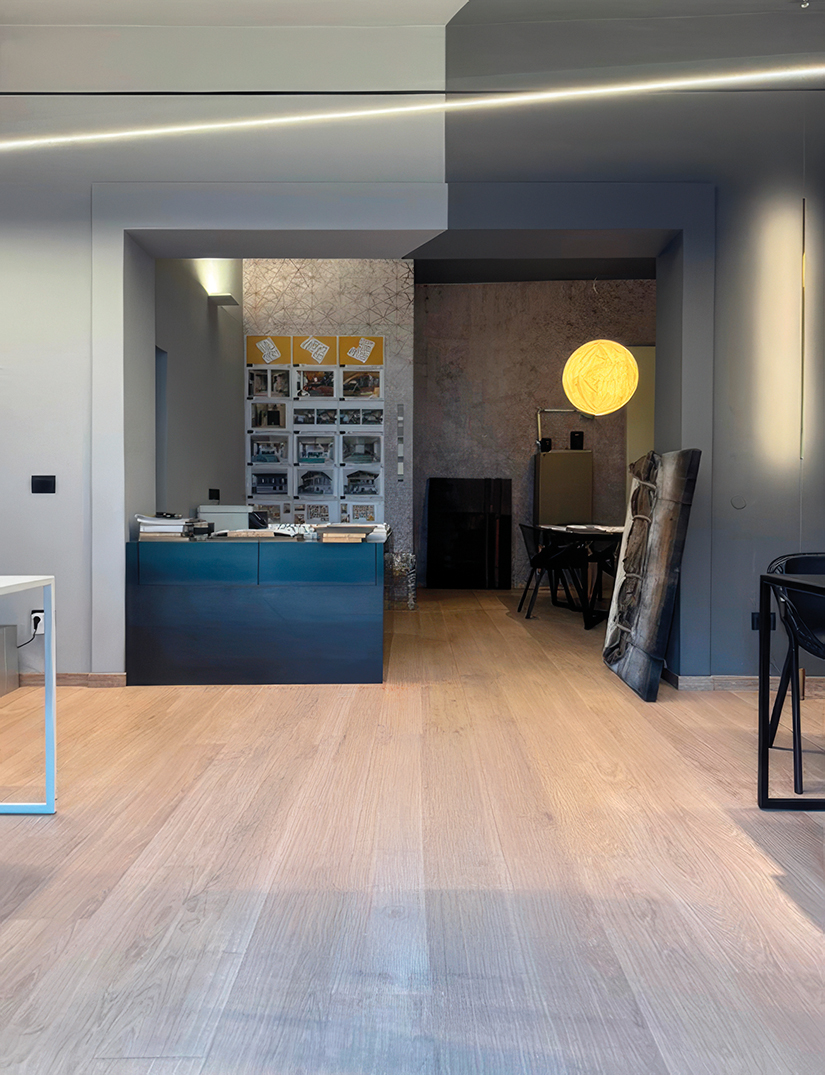
In Egg In Lab e nel lavoro dell’architetto Stefano Ravagnani, questa tensione nasce da una doppia radice formativa – il Politecnico di Milano, con il suo rigore compositivo, e l’Università di Bolzano, dove la dimensione bioclimatica e la tecnologia del legno aprono a una lettura più sensibile del rapporto tra costruzione e ambiente – e si traduce in una grammatica essenziale e controllata.
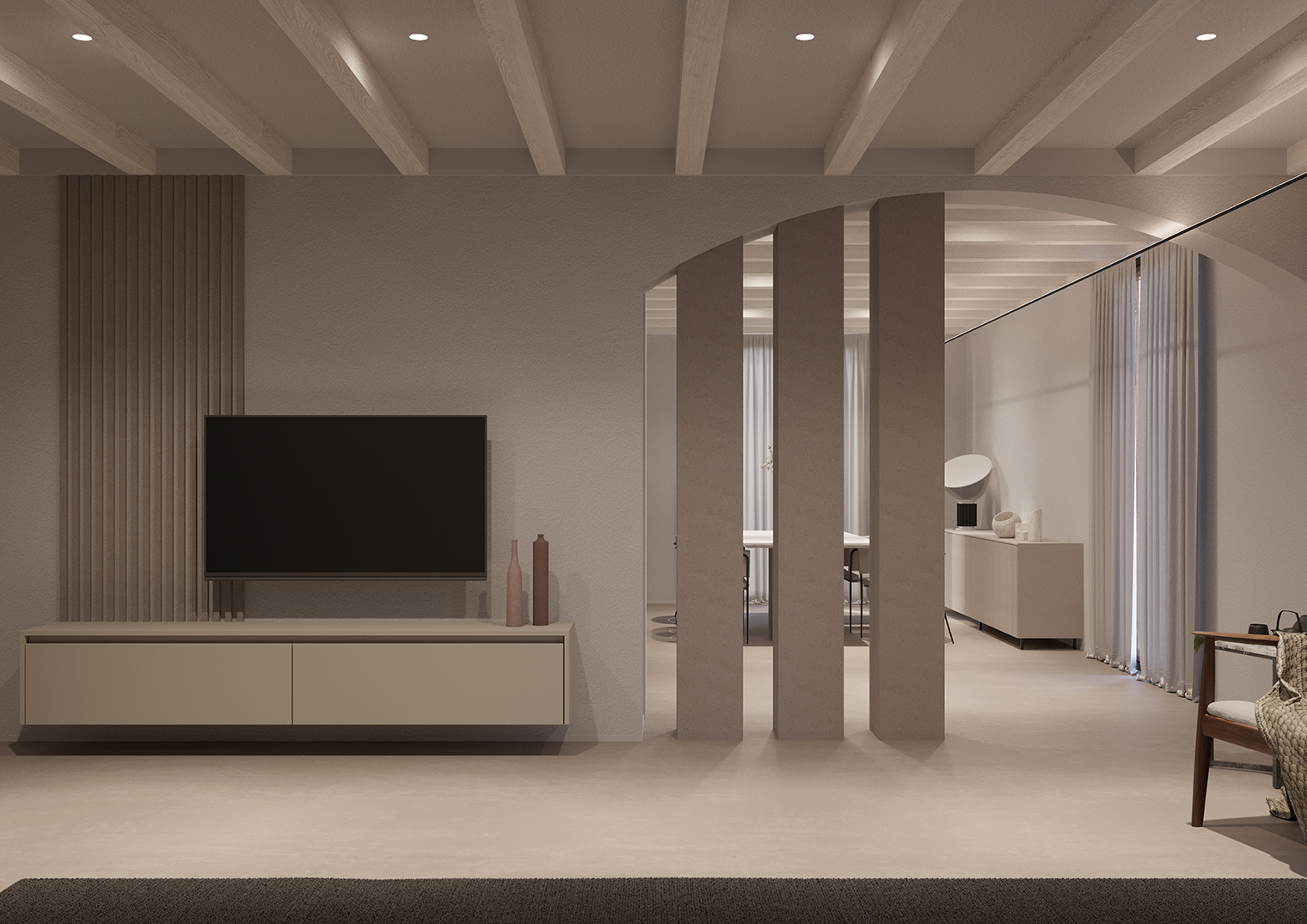
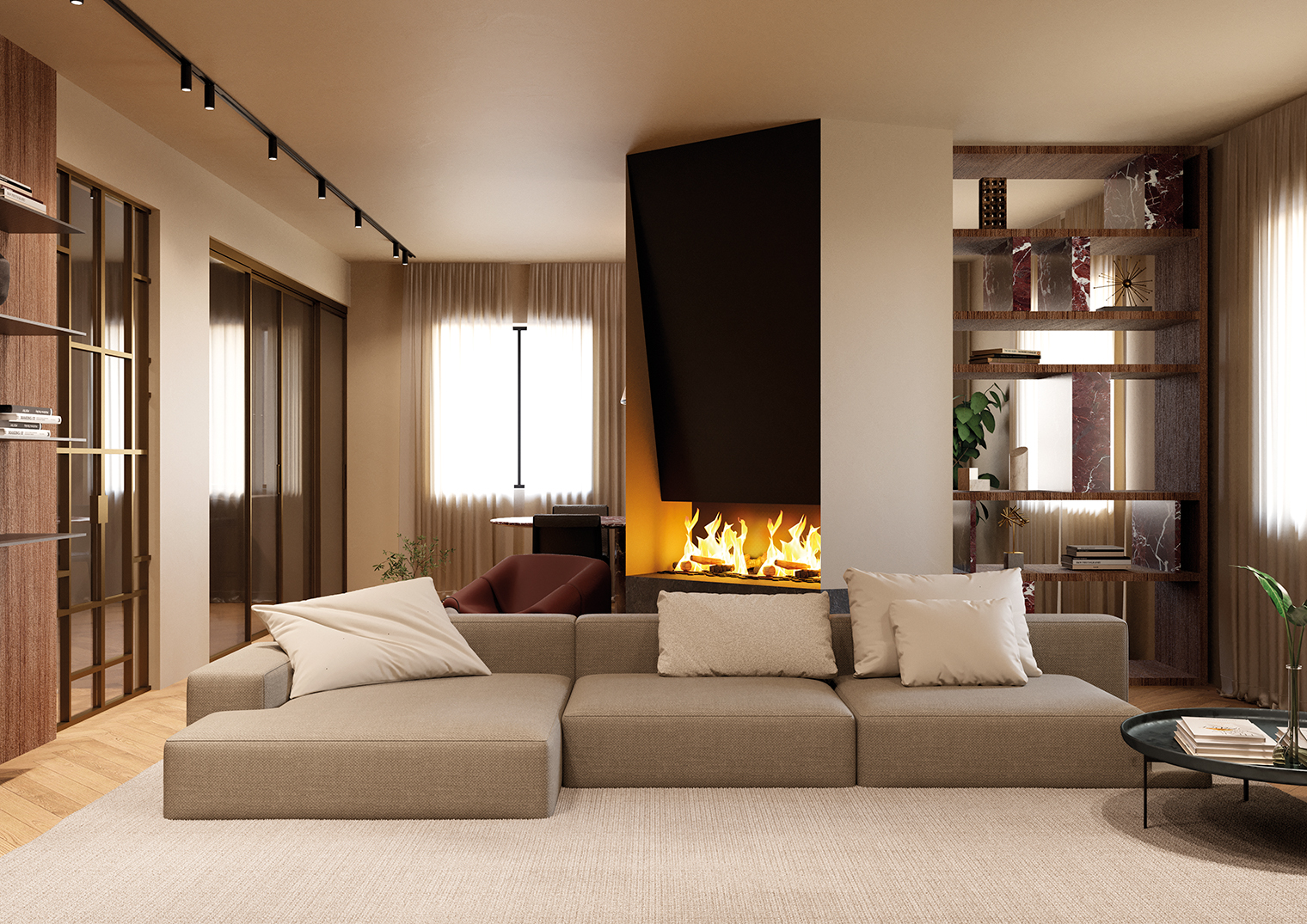
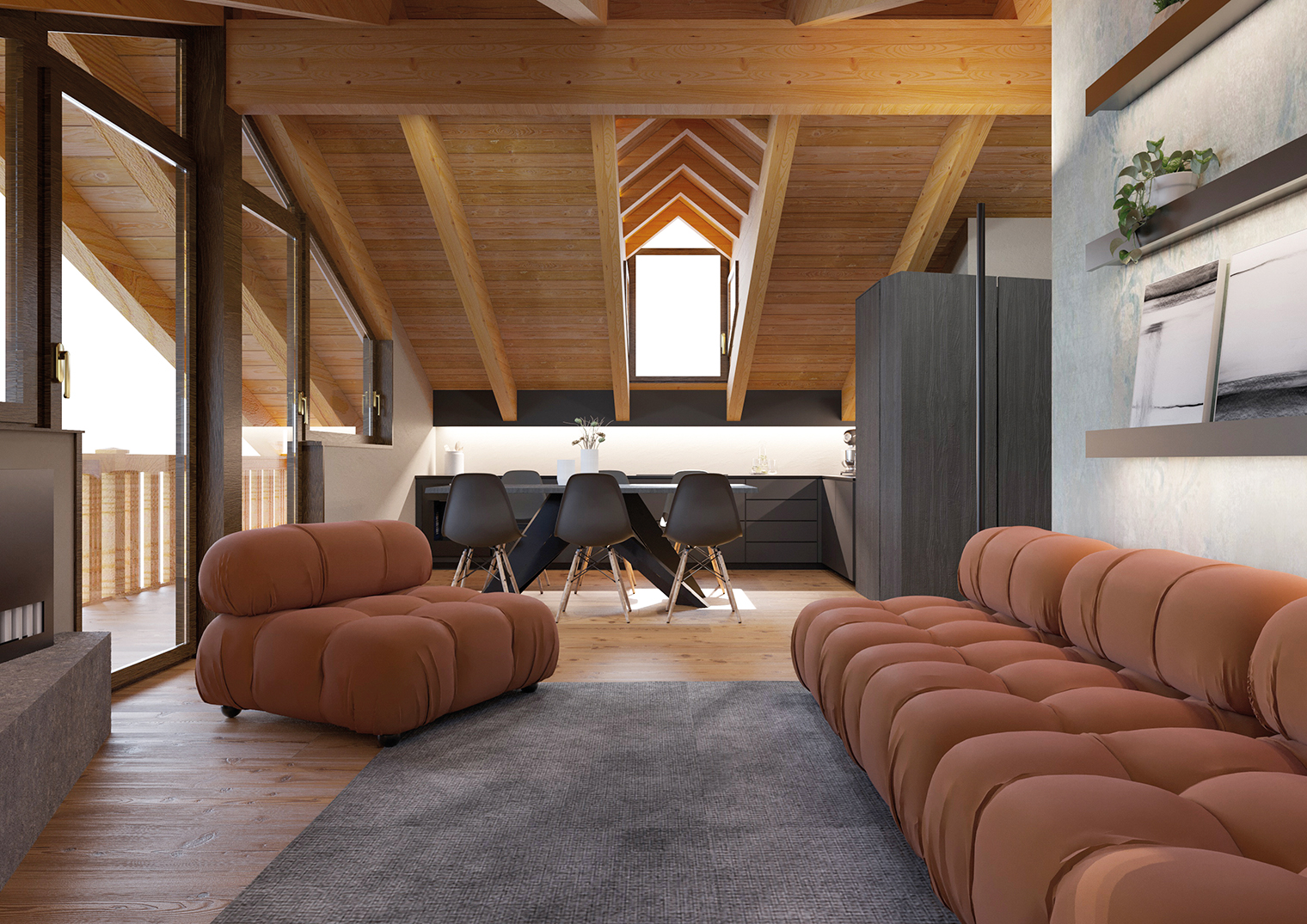
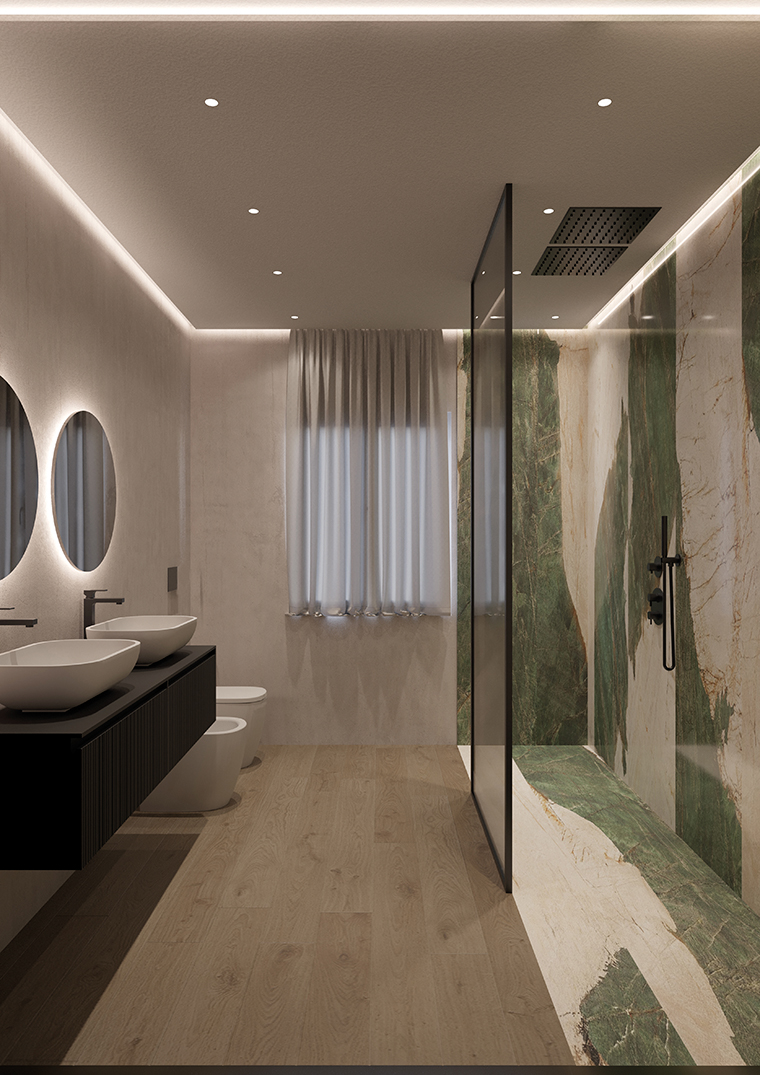
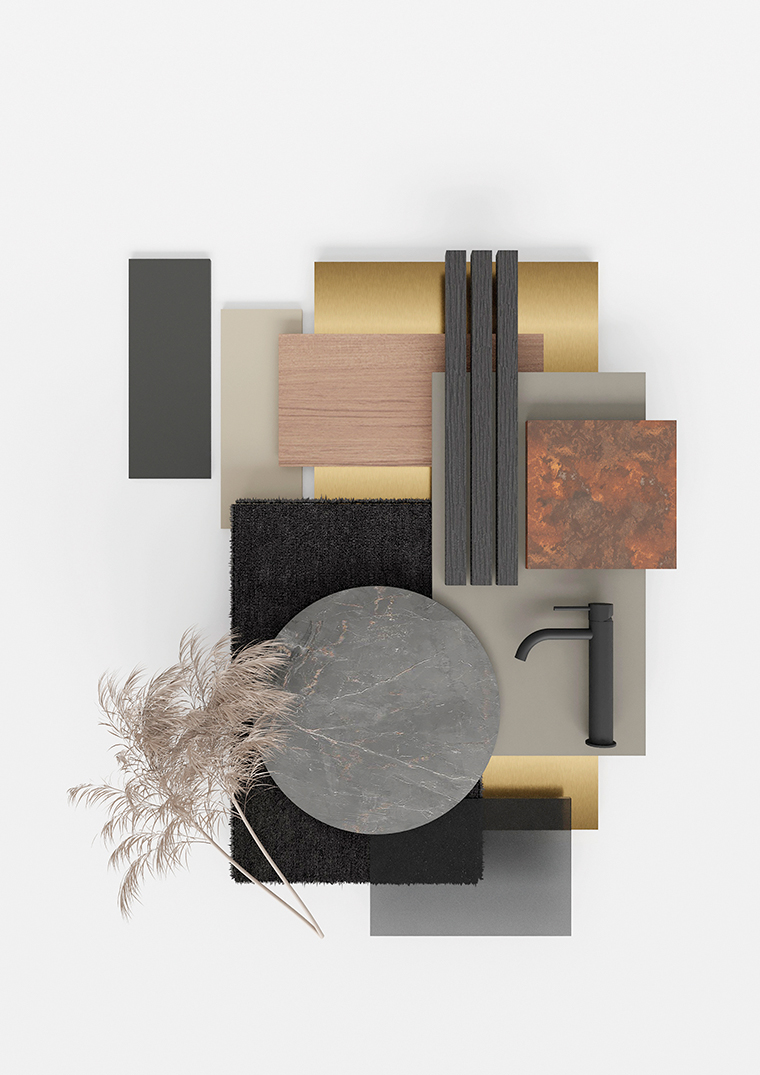
“Colore, materia e luce diventano gli strumenti silenziosi di questo linguaggio” – sottolinea l’architetto – “Il colore costruisce profondità e ritmo percettivo, la materia trattiene o restituisce la luce, e la luce è la regia invisibile del progetto: attraversa lo spazio lo misura e lo trasforma, rivelandone le proporzioni senza imporsi”.
In questo equilibrio tra elementi primari, l’architettura si sottrae all’eccesso e si avvicina a una precisione intima. È qui che il progetto si rinnova senza cambiare natura. Come se lo spazio, una volta compreso, smettesse di essere costruito e iniziasse semplicemente ad accadere. E da quel momento, l’architettura non si guarda più: si attraversa.
Essential Grammar
Egg In Lab: Stefano Ravagnani’s silent construction of balance
Order, proportions, attention to detail. Not simply design coordinates, but a form of thinking that has layered itself over time, becoming a language. Over the years, projects, tools and the material of daily work change, yet a subtle tension towards the measure of space remains, like a constant search for balance.
In Egg In Lab and in the work of architect Stefano Ravagnani, this tension springs from a dual educational root: the Politecnico di Milano, with its compositional rigour, and the University of Bolzano, where the bioclimatic dimension and wood technology open onto a more sensitive reading of the relationship between construction and environment. It translates into an essential, controlled grammar.
“Colour, matter and light become the silent tools of this language,” the architect emphasises. “Colour builds depth and perceptive rhythm; matter holds or returns the light; and light is the invisible direction of the project. It moves through the space, measures it, transforms it, revealing its proportions without imposing itself.”
In this balance between primary elements, architecture withdraws from excess and moves towards an intimate precision. This is where the project renews itself without changing its nature. As though space, once understood, ceased to be built and simply began to happen. And from that moment on, architecture is no longer looked at: it is moved through.